
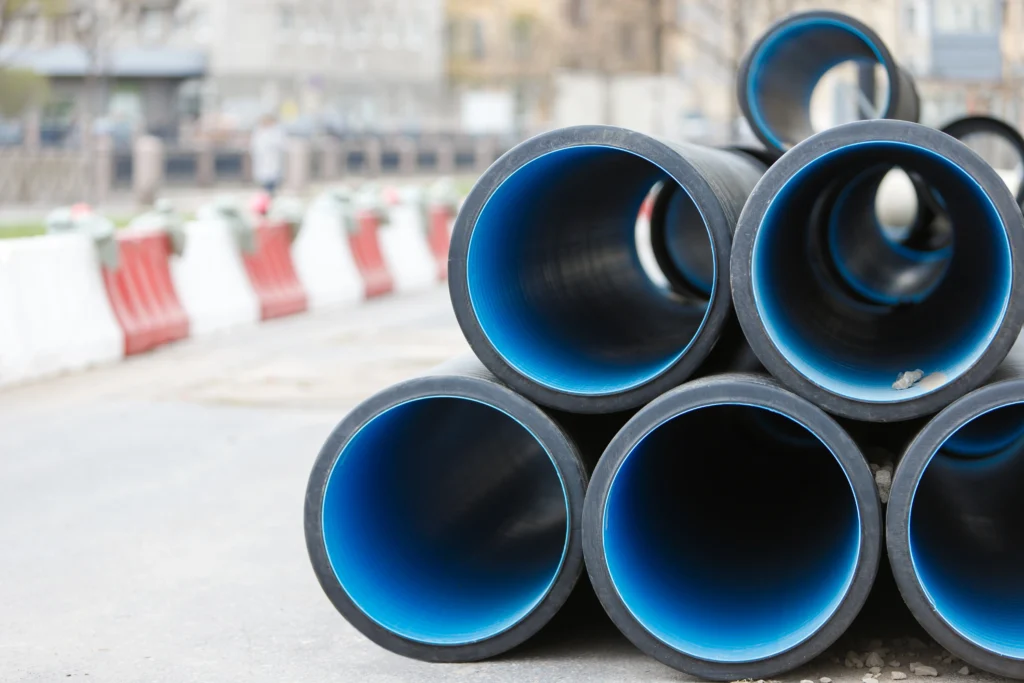
Selecting the appropriate HDPE pipe fitting is a critical design and procurement decision, especially for projects involving system upgrades or pipe replacement. Joint performance and long-term reliability all depend on how well the fitting system is matched to the application, pipe specification and site conditions.
For consultants, M&E engineers and plumbing contractors in Malaysia, the following considerations provide a practical framework when upgrading existing networks or designing new systems.
Start With The Application, Not The Component
Before choosing any fittings, one must determine the operating context clearly:
System type: potable water, boosted cold water, irrigation, fire protection or industrial process water
Operating conditions: design pressure, surge potential, temperature range and anticipated usage profile
Project profile: high-rise, mixed-use, landed residential, industrial, refurbishment or phased upgrades
For upgrade work, it is especially important to verify the existing pipe material, class, and routing so that new fittings can be integrated properly without creating local weak points in an older network.
The Suitable Jointing Method
HDPE systems in Malaysia typically rely on one of two jointing approaches:
Mechanical (Compression) Fittings
Used for a wide range of building and light industrial applications. They provide a balance between performance and on-site practicality, particularly in retrofit or constrained spaces where access for fusion equipment is limited.
Fusion Systems (Butt Fusion Or Electrofusion)
More common in larger-diameter mains and in critical buried infrastructure where homogeneous joints are required and specialist crews are available.
For many building projects and upgrade scenarios, high-quality mechanical fittings provide an efficient, controllable solution that reduces dependency on specialised fusion teams and equipment, while still delivering robust joint performance.
Evaluate Fitting Material And Design
Not all mechanical HDPE pipe fittings perform the same in real site conditions. When assessing a system, pay attention to:
Base material: mechanical strength, impact resistance and creep behaviour under sustained pressure
Thermal stability: performance under local ambient temperatures, roof level and external exposure
Design details: grip mechanism, sealing arrangement, allowable tolerances and reusability during adjustments
Nylon-based fittings, when properly engineered, offer a good combination of structural strength and toughness for pressurised water lines, particularly in building reticulation and riser applications.
Check For Compatibility And Standards With Existing Systems
Compatibility issues are common on mixed-brand or phased projects. To reduce risk to the project:
Confirm that the fitting suits the pipe’s outside diameter and pressure class
Verify compatibility with the PE grade specified (e.g. PE80, PE100)
Refer to product data sheets for standards or approvals relevant to potable water use and building services
In specifications, looking at the entire fitting system rather than only the pipe class helps reduce unapproved substitutions with lower-grade or non-compatible products that may compromise the installation.
Rounding Up The Key Points For Choosing The Right HDPE Pipe Fitting
Rounding up the points made in this article, here’s a summary of what to consider when choosing an HDPE pipe fitting for upgrading or expanding a plumbing system:
Define the system requirements and constraints upfront
Select a jointing method aligned with both performance needs and site logistics
Verify fitting material, design and compatibility with the chosen pipe
Specify the fitting system clearly to maintain control
Done correctly, an HDPE pipe fitting delivers a robust, low-maintenance solution that supports long-term performance and reduces intervention.
How Spind Fits Into Your Specifications
Spind’s HDPE pipe fittings are engineered specially for Malaysian building and infrastructure conditions, with a focus on:
Reliable performance in potable and cold water systems
Durability under local climate and typical usage scenarios
For engineers and contractors evaluating options, our HDPE pipe fitting provides a structured system approach rather than a collection of individual components, which supports consistency across the project lifecycle.